What Are Some Eco-Friendly Bubble Wrap Alternatives?

If you’re trying to cut down on plastic in your packaging, bubble wrap is usually one of the first materials to swap. It’s lightweight and protective, but it isn’t always the most sustainable choice, especially if you’re shipping a lot. The good news is there are plenty of eco-friendly bubble wrap alternatives that offer just as much protection for your products in transit.

In this blog, we’ll take a closer look at what eco-friendly bubble wrap is, why businesses are making the switch, and the most common bubble wrap alternatives you can use instead that are recyclable and compostable.

What is eco-friendly bubble wrap?

Eco-friendly bubble wrap is essentially a protective packaging material that’s a much better choice than regular plastic bubble wrap. In most cases, it’s either:

  • Paper-based, making it widely recyclable and often made from recycled materials

  • Compostable or biodegradable, meaning it’s designed to break down more easily

  • Reusable, meaning it can be used multiple times before its disposed of

It’s important to note that “eco-friendly” can mean different things depending on how your customers can dispose of the packaging. For example, paper-based protective wrap can usually be recycled at home, whereas compostable materials may need to be recycled at specific waste centres so it can break down properly. The best packaging option will depend on your products, delivery methods, and customer expectations.

Why look for an eco-friendly alternative to bubble wrap?

Switching to an alternative to bubble wrap doesn’t just allow you to become more sustainable, it also often supports practical business goals too. Many businesses are making changes because their customers increasingly expect packaging to be recyclable and easy to dispose of. A parcel filled with plastic can feel out of step with a brand that’s trying to be greener, even if the product itself is sustainably made.

There’s also the operational side as well. Some plastic wraps are bulky to store, difficult to reuse, and can create a lot of waste quickly, especially if you’re packing high volumes of products. Moving to more eco-friendly protective packaging options can simplify disposal in your own workspace and make packing stations feel more organised and consistent.

As well as that, choosing greener materials can be part of a longer-term packaging strategy. Along with upgrading boxes, tape, void fill, and other packaging materials, swapping to eco-friendly bubble wrap is a logical step because it’s more often than not used so much.

Eco-friendly alternatives to bubble wrap

There is no single best alternative to bubble wrap, as choosing the right bubble wrap alternative depends on what you’re sending, how fragile it is, and whether you need surface protection, cushioning, void fill, or all three. 

Below are some of the most common eco-friendly alternatives businesses use.

Paper bubble wrap

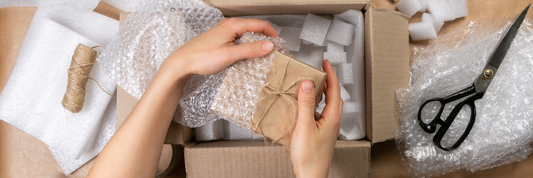
Paper bubble wrap is one of the closest traditional bubble wrap alternatives because it’s designed to do pretty much the same job - wrap products, create a cushioning layer, and reduce scuffs and movement during shipping.

Instead of plastic bubbles, it uses a structured paper design (usually embossed or honeycomb-style) that creates pockets of air and protective texture. It's effective for keeping delicate items safe, like ceramics, glassware, makeup, candles, and other products that come in boxes.

Key advantages of paper bubble wrap include:

  • It’s often recyclable with household paper waste

  • Creates a premium-looking wrapped presentation

  • Protects against scuffs and light knocks for products without plastic film

  • It sends a strong eco message for businesses without compromising protection

Top tip: Paper bubble wrap works best when paired with a snug box size. If you’re using oversized cartons, you’ll need a void fill solution to stop movement.

Corrugated wrap

Corrugated wrap is a cardboard-based protective wrap made with fluted layers (similar to corrugated boxes) that is often supplied in rolls. It’s a strong alternative to bubble wrap when you need structure and puncture resistance rather than soft cushioning.

Because it holds its shape, it’s great for reinforcing products that could be crushed and is ideal for wrapping flat items, books, frames, and boxed goods. It’s also a strong option for warehouse operations because it’s tough, consistent, and easy to recycle.

Some key advantages of it include:

  • Strong protection for corners and edges

  • Handles compression much better than other soft wraps

  • Recyclable and often made from recycled content

Top tip: If your products are especially fragile (like thin glass), corrugated wrap can still be used, but it’s often best combined with extra cushioning or paper void fill.

Paper void fill

Whilst paper void fill isn’t a wrap in the traditional sense, it does still play a key role in replacing bubble wrap, especially when the main issue is movement inside the box.

If your products are already in retail packaging or individual boxes, the priority is usually preventing shifting during transit rather than wrapping each item. Paper void fill can be scrunched, layered, or packed around items to keep them stable, which helps to reduce damage caused by movement and impact.

It’s often best suited for ecommerce orders with boxed products, multi-product parcels where items need separating, or packaging operations that want a fast and reliable void fill method.

Many businesses opt for paper void fill because:

  • It’s widely recyclable and easy for customers to dispose of

  • It fills space effectively without having to use plastic

  • It works well in both manual packing and some automated setups

Top tip: To get the best result, focus on your box sizing alongside void fill. A well-sized box plus paper void fill is often more protective (and more cost-effective) than wrapping everything in layers of traditional bubble wrap.

Compostable air pillows or bio-based wraps

If you want a lightweight cushioning material similar to plastic air pillows, compostable air pillows or biodegradable wraps is a useful bubble wrap alternative. They’re particularly beneficial for items that have low-to-medium fragility and for businesses who want to reduce plastic use while keeping parcels light for postage.

However it’s worth noting that these options vary widely. Some are made from plant-based materials and are designed to compost under the right conditions, and while others are technically biodegradable, they may require industrial composting facilities. That’s why it’s important to be clear with your customers and to choose materials that align with how they typically dispose of their packaging.

Some reasons why businesses choose this bubble wrap alternative include:

  • They offer lightweight cushioning which helps reduce shipping costs

  • They’re good for filling space without adding weight

  • They’re suitable for higher volume packing lines where speed matters

Top tip: If you do opt for compostable air pillows, consider adding a simple disposal note on your packing slip or website to help reduce confusion and advise customers on how to dispose of the material correctly.

Tips for choosing the right eco-friendly packaging for your business

Choosing an eco-friendly bubble wrap alternative isn’t just about swapping one material for another. It works best when it’s part of a broader packaging strategy that considers protection, cost, speed, storage space, and customer experience. Some tips to help you choose the right eco-friendly packaging for your business include:

  • Start with your product requirements - think about the fragility, weight, surface sensitivity (e.g. whether it’s prone to scratching or scuffing), and shape of your products, as this will determine the type of packaging you need.

  • Choose the right-sized packaging - by using right sized packaging, you can reduce empty space, lower the amount of void fill required, cut damage in transit, and keep postage costs down.

  • Consider packing speed and workflow - the best bubble wrap alternative should be one that your team can use consistently without slowing down fulfilment. Trial a couple of materials and time how long it takes to pack a typical order.

  • Factor in storage space - consider whether you have the space to accommodate protective packaging such as loose void fill, or whether you’d need rolls or dispenser-friendly materials to keep packing stations tidy and consistent.

  • Standardise where possible - too many packaging options can lead to inconsistency and mistakes. Aim for a small, repeatable set of materials that covers most order types and one “backup” option for unusual products.

  • Think about the customer experience and disposal - remember to consider the customer experience and disposal requirements as part of your decision making process. You may need to include some instructions to reduce customer confusion.

  • Test, measure, then refine - you should introduce changes in a small batch first, then monitor damage rates and packing times, and tweaking areas where necessary. The most effective packaging strategy is usually recurring, not a one-off switch.

Ready to make the switch to greener packaging?

Switching from traditional bubble wrap doesn’t have to mean compromising on protection. With options like paper bubble wrap, corrugated wrap, paper void fill, and compostable cushioning, you can build a greener packing setup that still delivers products safely while supporting customer expectations around sustainability.

If you’d like help choosing the right eco-friendly bubble wrap alternative for your products, we can support you with the right materials and advice, and create a solution that protects your goods, reduces waste, and fits your workflow. Be sure to get in touch with us today to discuss your requirements in more detail.

FAQs around eco-friendly bubble wrap

What is the best eco-friendly bubble wrap alternative for fragile items?

For most fragile items, paper bubble wrap is a strong first choice because it protects surfaces from scuffs and adds cushioning. If you have an item that is heavy or very delicate, you could pair it with right sized packaging and a small amount of paper void fill to stop movement during shipping or handling.

Is paper bubble wrap as protective as plastic bubble wrap?

In many cases, yes, especially for everyday ecommerce products. The key is using the right packing method - wrap for surface protection, a well-fitting box, and void fill if there’s space inside the parcel. For very high-risk items, you may need extra layers or a sturdier outer box.

Will switching from bubble wrap increase my packaging costs?

Not necessarily. Even if some materials cost a bit more per roll, you can reduce your overall spend through packaging optimisation. This essentially means choosing better-fitting boxes and using less filler, which helps reduce damages and returns. It’s best to compare the cost per packed order rather than unit cost.

Can I protect products well without using any plastic at all?

For most products, yes you can. A plastic-free setup usually combines paper bubble wrap, corrugated wrap, and paper void fill in a sturdy box. The biggest priority is stopping movement and using a box that fits your products properly.

Last updated February 17, 2026

SHARE THIS ARTICLE